globallynews38@gmail.com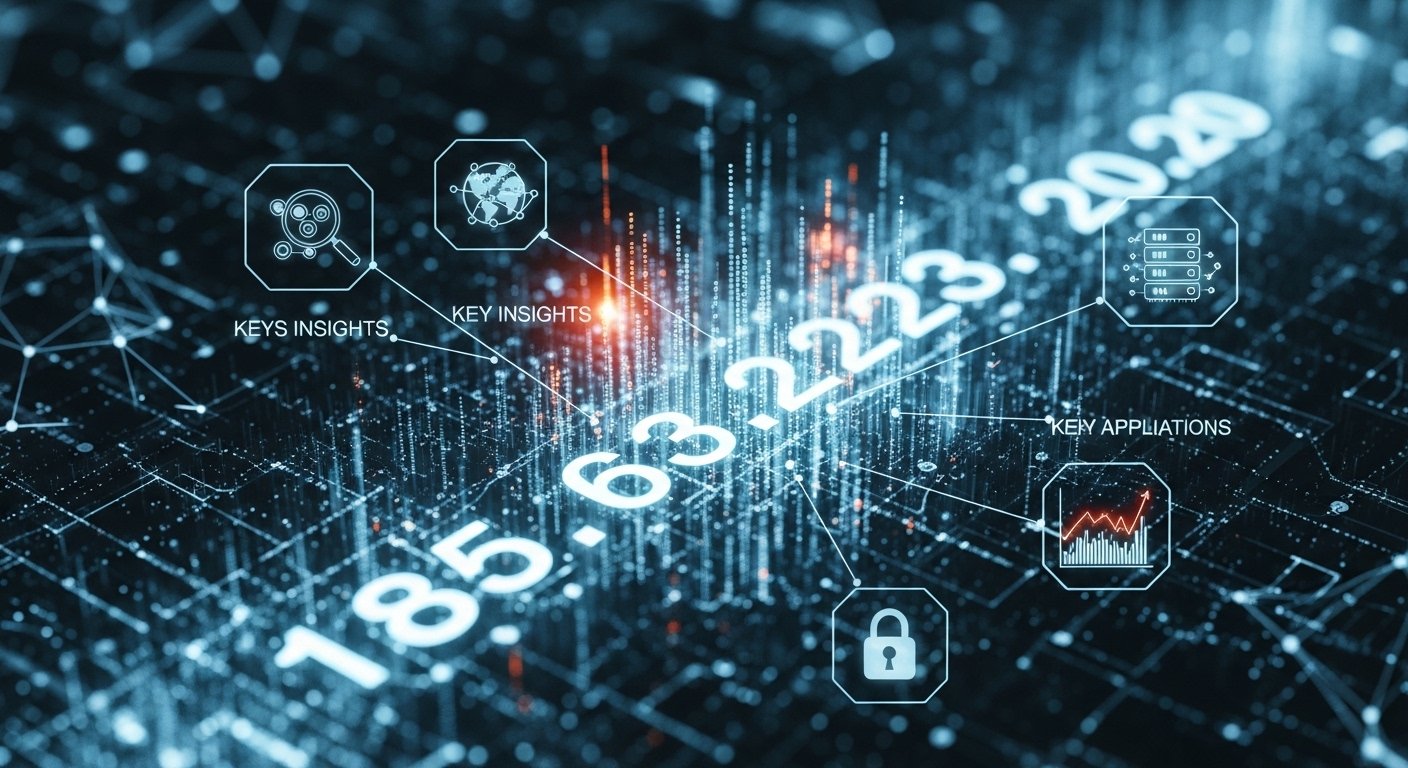
In the digital world, IP addresses serve as essential identifiers for devices connected to networks. One such IP address, 185.63.263.20, has gained attention among network administrators, cybersecurity professionals, and tech enthusiasts. Understanding its role, implications, and potential applications can provide valuable insights for individuals and organizations relying on digital infrastructure. This article explores everything you need to know about 185.63.263.20 in a clear and detailed manner.
What is 185.63.263.20?
An IP address like 185.63.263.20 is a numerical label assigned to devices participating in a network. It enables devices to communicate over the internet, facilitating data transfer and connectivity. While the exact classification of this IP depends on its assignment by Internet Service Providers (ISPs), such addresses can be dynamic or static. Static addresses remain constant, making them suitable for servers and services that require consistent connectivity, whereas dynamic addresses change periodically.
Identifying the Location of 185.63.263.20
The geographical location of an IP address is often used for analytics, security, and content localization. Tools such as IP lookup services can provide a rough estimate of where 185.63.263.20 is being used. While IP location data is not always precise, it can help identify regional traffic patterns, detect potential cyber threats, and enhance network management. For businesses, this insight is valuable for targeting users and optimizing content delivery based on location.
Security Considerations
Cybersecurity is a crucial aspect of managing any IP address. 185.63.263.20 may appear in firewall logs, server access lists, or network monitoring reports. Understanding its behavior is vital to maintaining network security. For instance, repeated unauthorized access attempts from this IP could indicate malicious activity, such as a brute-force attack or scanning attempt. Network administrators often implement security protocols, like IP whitelisting or blacklisting, to control access and safeguard sensitive data.
Applications in Networking
IP addresses like 185.63.263.20 are not just identifiers; they play an integral role in network configuration and management. Businesses may assign such IPs to web servers, mail servers, or VPN gateways. In cloud computing environments, a dedicated IP address ensures stable connectivity, reliable email delivery, and uninterrupted service. Moreover, tracking traffic from specific IP addresses helps in load balancing and optimizing server performance for better user experience.
Troubleshooting and Performance Monitoring
Monitoring IP addresses, including 185.63.263.20, is essential for troubleshooting network issues. Tools like ping tests, traceroutes, and network analyzers allow IT professionals to identify latency, packet loss, or connectivity disruptions. Detecting anomalies associated with a particular IP can prevent downtime, enhance system reliability, and improve overall network efficiency. Regular monitoring also aids in proactive maintenance and early detection of potential threats.
Best Practices for Managing IP Addresses
Managing IP addresses effectively requires a strategic approach. Organizations handling addresses like 185.63.263.20 should document assignments, monitor activity, and enforce security policies. Employing subnetting techniques can optimize network performance, while maintaining updated DNS records ensures smooth resolution of IP addresses to hostnames. Additionally, adhering to cybersecurity best practices protects the network from unauthorized access and malicious activity linked to specific IPs.
Conclusion
In conclusion, 185.63.263.20 represents more than just a series of numbers—it is a vital component of digital communication and network management. From enhancing security and troubleshooting to optimizing server performance and understanding location data, this IP address demonstrates the multifaceted role of IPs in modern technology. By monitoring, managing, and securing such addresses, individuals and organizations can maintain robust, efficient, and safe network operations.