



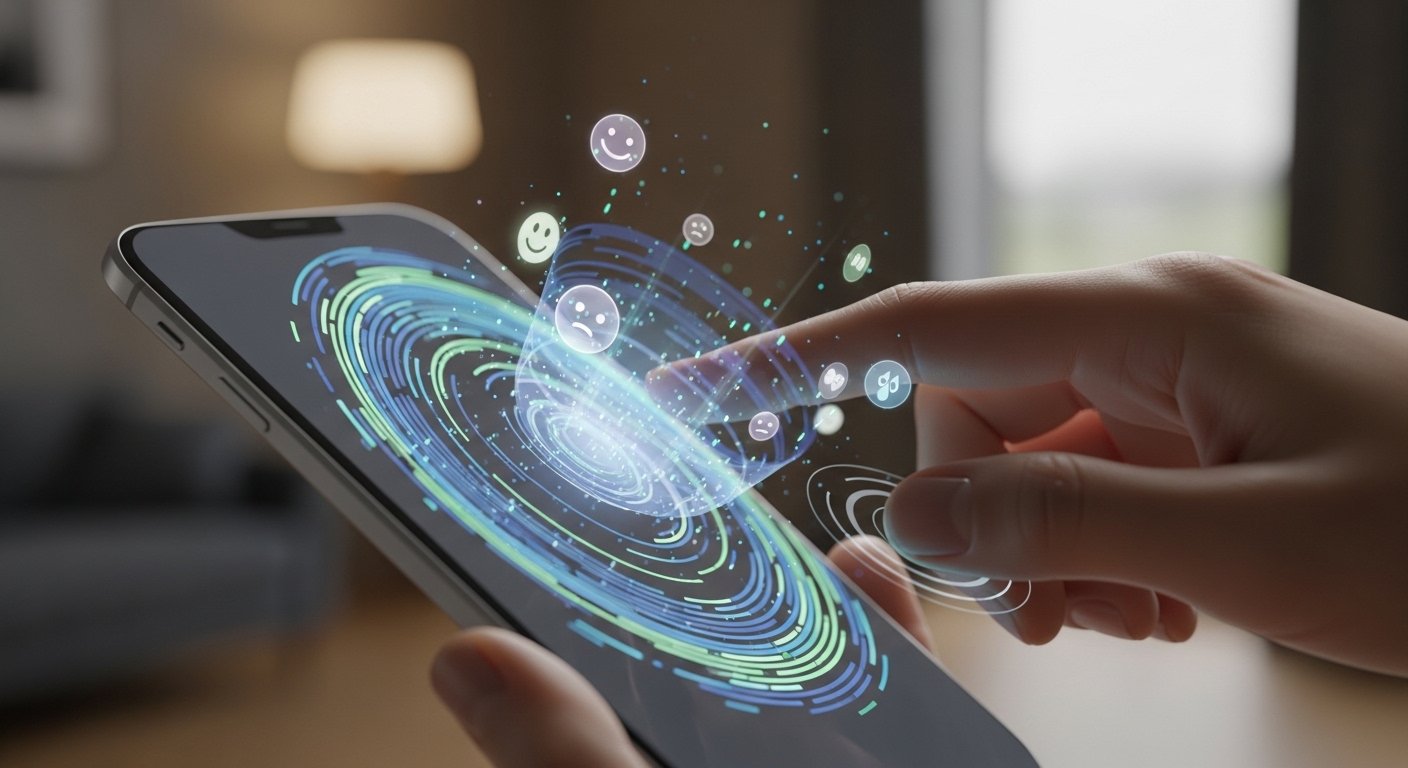
In today’s fast-moving digital world, we often talk about what technology does, but rarely explore how tech feels from a human perspective. Beyond functions, features, and speed, technology creates emotions, influences decisions, and shapes everyday experiences. Whether it’s the quiet satisfaction of a smooth app or the frustration of a glitch, the emotional side of technology is real and powerful. Understanding how tech feels allows us to connect better with the tools we use and design more meaningful digital experiences.
The Emotional Layer of Technology
Technology is no longer just about utility. It carries an emotional layer that impacts how users interact with it. When a platform is intuitive, fast, and visually pleasing, how tech feels becomes positive, even enjoyable. On the other hand, slow loading times, confusing interfaces, or constant bugs create stress and dissatisfaction.
People don’t just use devices; they form habits and emotional attachments to them. This is why companies invest heavily in user experience (UX). They understand that how tech feels can determine whether someone stays loyal to a product or switches to a competitor.
How Design Influences Perception
Good design plays a major role in shaping how tech feels . Clean layouts, readable fonts, and smooth transitions can make a product feel modern and reliable. In contrast, cluttered interfaces often feel overwhelming and outdated.
Design is not just about looks; it’s about guiding users effortlessly. When everything works seamlessly, users may not even notice—but they feel it. That invisible comfort defines how tech feels at its best. It’s the difference between struggling through a process and completing it without thinking twice.
Speed and Performance Matter
Performance is another key factor. Fast-loading websites and responsive apps create a sense of efficiency and trust. When technology responds instantly, how tech feels becomes smooth and satisfying.
However, delays can quickly damage that feeling. Even a few seconds of waiting can cause irritation. This shows how sensitive users are to performance and how deeply it shapes how tech feels in daily interactions.
Personalization and Connection
Modern technology is becoming increasingly personalized. From recommendations to notifications, systems are designed to understand user behavior. This personalization directly impacts how tech feels by making interactions more relevant and engaging.
When technology knows what a user wants, it creates a sense of connection. But there is also a fine line. Too much personalization can feel intrusive, changing how tech feels from helpful to uncomfortable. Balance is essential to maintain trust.
The Role of Innovation
Innovation constantly reshapes how tech feels . New features, smarter systems, and improved interfaces can excite users and keep them engaged. For example, voice assistants and AI tools have changed how people interact with devices, making technology feel more human-like.
At the same time, rapid changes can overwhelm users. If updates are too frequent or complex, how tech feels may shift toward confusion rather than excitement. This highlights the importance of thoughtful innovation that enhances rather than disrupts the user experience.
Trust and Security
Security is a critical part of how tech feels . Users want to feel safe when sharing data or making transactions online. Clear privacy policies, secure systems, and transparent practices build confidence.
If trust is broken, the emotional impact is immediate. Users feel vulnerable and may stop using the platform altogether. This shows that how tech feels is not just about convenience—it’s also about reliability and safety.
Everyday Impact of Technology
Technology influences daily life in subtle ways. From morning alarms to evening entertainment, it shapes routines and behaviors. Over time, how tech feels becomes part of a person’s lifestyle.
For some, technology brings convenience and productivity. For others, it can feel overwhelming or distracting. Recognizing these differences helps individuals manage their relationship with technology more effectively.
The Future of Human-Tech Interaction
As technology continues to evolve, understanding how tech feels will become even more important. Developers and designers will need to focus not only on functionality but also on emotional impact.
Future innovations will likely aim to create more natural and intuitive interactions. The goal will be to make technology feel less like a tool and more like a seamless extension of human life. This shift will redefine how tech feels in ways we are only beginning to understand.
Conclusion
Technology is deeply woven into modern life, but its true power lies beyond functionality. It lies in experience, emotion, and connection. By paying attention to how tech feels , both users and creators can build better relationships with digital tools.
Understanding this concept leads to smarter design, improved user satisfaction, and more meaningful innovation. In the end, technology is not just something we use—it’s something we feel.