Admin
Admin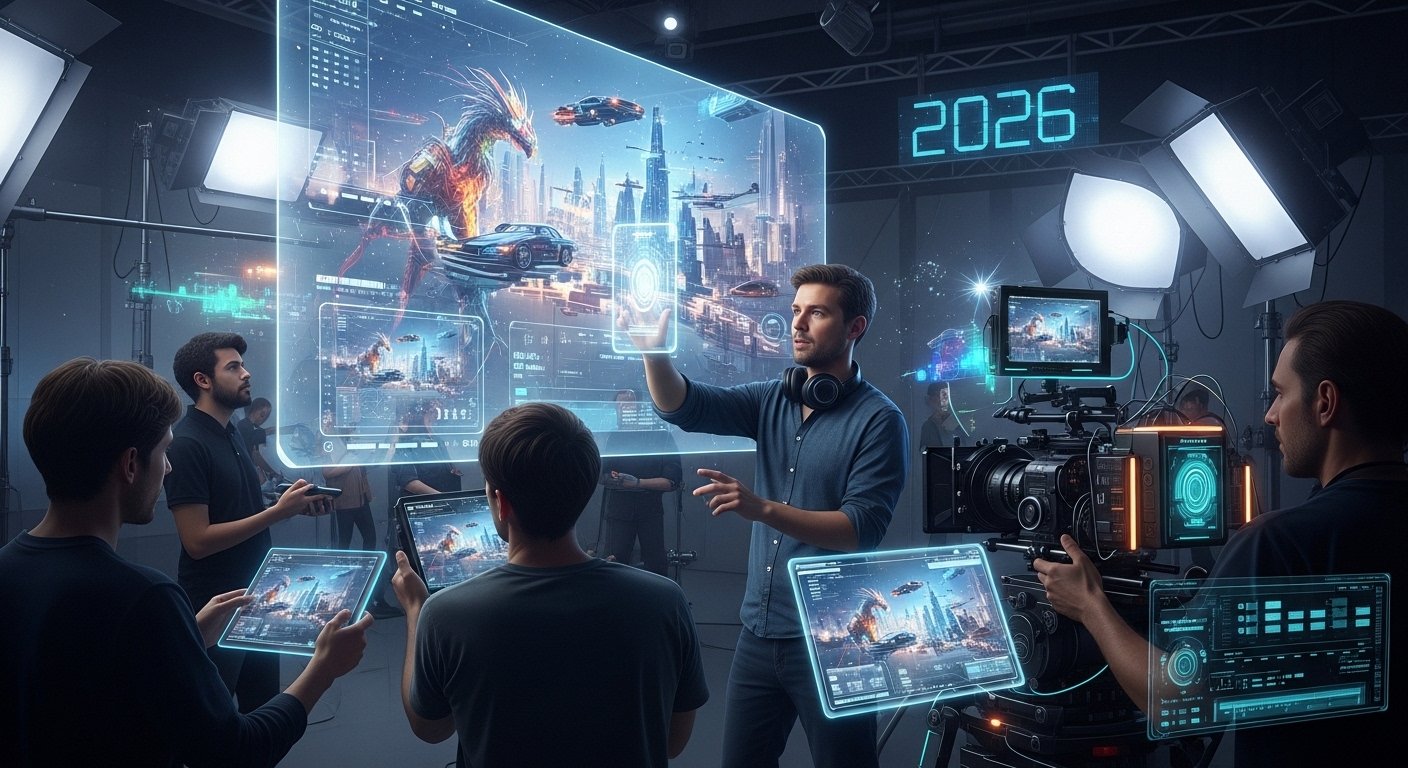
Filmmaking has always been a blend of creativity and execution. From pre-production planning to post-production editing, every stage demands time, coordination, and technical precision. While storytelling remains at the core, the way films are produced is evolving rapidly.
In 2026, filmmakers are increasingly integrating AI into their workflows. Not to replace traditional filmmaking, but to make the process faster, more flexible, and more controlled.
The Growing Complexity of Film Production
Modern filmmaking is more demanding than ever. Audiences expect higher quality visuals, smoother storytelling, and faster releases. At the same time, production costs and timelines continue to increase.
For many filmmakers, especially independent creators and small teams, this creates a challenge. Balancing creative vision with practical limitations often leads to compromises.
AI is helping bridge that gap.
Faster Pre Production and Scene Visualization
One of the most valuable uses of AI in filmmaking is during pre-production.
Instead of relying only on storyboards or rough sketches, filmmakers can now visualize scenes before they are shot. This allows them to explore different ideas, test compositions, and refine their vision early in the process.
This shift reduces uncertainty and helps teams make better creative decisions before investing in full production.
Turning Scripts into Visual Sequences
Translating a script into visual output has traditionally been a time-consuming process. It often involves multiple iterations, test shoots, and edits.
Now, filmmakers can move much faster from script to scene.
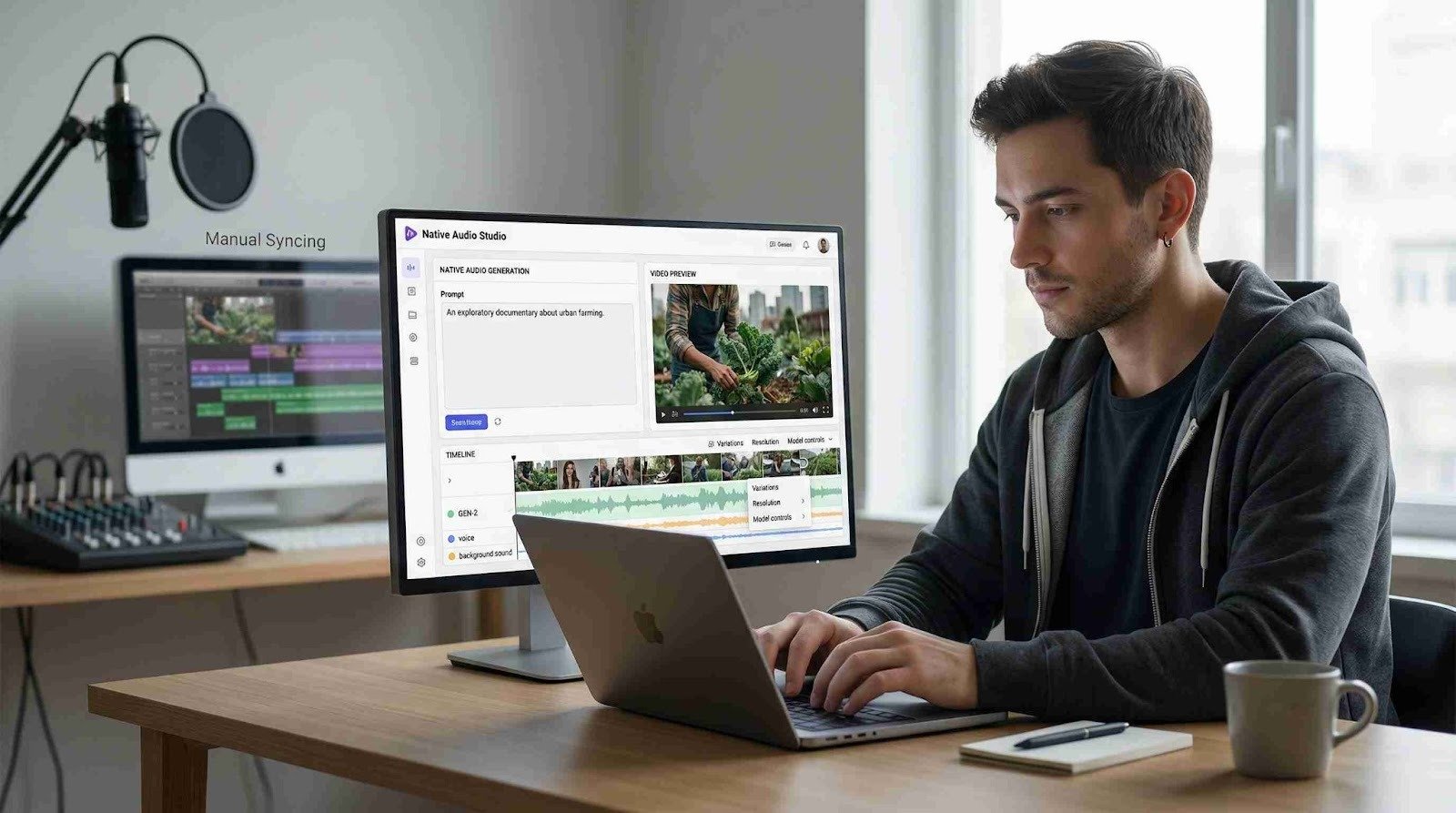
By using an ai video generator, creators can generate scenes directly from written ideas or visual references. This makes it easier to experiment with storytelling and refine concepts before committing to production.
It allows filmmakers to focus more on creative direction rather than technical execution.
More Control Over Cinematic Elements
Filmmaking is not just about capturing footage. It is about controlling how every frame looks and feels.
AI tools are now offering more control over:
- Camera movement
- Lens perspective
- Scene composition
- Motion and pacing
This level of control was traditionally limited to professional setups.
With systems like Higgsfield, filmmakers can simulate real camera behavior, adjust focal length, and even combine multiple camera movements within a single shot.
This helps create more intentional and cinematic visuals without complex setups.
Reducing Production Costs Without Limiting Creativity
Film production can be expensive. Equipment, crew, locations, and post-production all add to the cost.
AI is helping reduce these expenses by allowing filmmakers to:
- Test scenes before shooting
- Edit and refine visuals without reshooting
- Reduce dependency on physical setups
This gives creators more freedom to experiment without worrying about budget constraints.
Faster Iteration and Creative Flexibility
Creative projects often require multiple revisions before reaching the final version.
With traditional workflows, making changes can be slow and resource intensive.
AI enables faster iteration. Filmmakers can adjust scenes, refine motion, and experiment with different visual directions without restarting the process.
This leads to a more flexible and dynamic creative workflow.
Access to Multiple Visual Styles in One Workflow
Filmmakers often need different visual styles depending on the project.
AI tools now provide access to multiple generation approaches within a single system. This allows creators to explore different looks and outputs without switching between tools.
The ability to compare results and choose the best version improves both efficiency and creative quality.
Supporting Both Independent and Professional Filmmakers
AI is not limited to large studios. It is equally valuable for independent filmmakers.
Beginners can start with simple inputs and gradually explore advanced controls. At the same time, professionals can use these tools to speed up workflows and improve efficiency.
This makes filmmaking more accessible while still supporting high-end production needs.
Enhancing Post Production Efficiency
Post-production is often one of the most time-consuming stages of filmmaking.
AI is helping streamline this phase by enabling:
- Faster editing
- Visual adjustments
- Consistency across scenes
Filmmakers can modify existing footage, refine details, and improve output without going through lengthy editing processes.
A Collaborative Future Between AI and Filmmakers
AI is not replacing filmmakers. It is becoming a collaborative tool.
Filmmakers still define the story, characters, and emotional tone. AI helps bring those ideas to life more efficiently.
This partnership allows creators to focus on storytelling while technology handles execution.
Conclusion
In 2026, filmmakers are not abandoning traditional production methods. They are enhancing them with AI.
By integrating AI into their workflows, filmmakers can visualize ideas faster, reduce costs, improve creative control, and iterate more efficiently.
This shift is making filmmaking more flexible, accessible, and scalable.
As technology continues to evolve, the combination of human creativity and AI-driven workflows will define the future of visual storytelling.